
FAQs: What Torn ACL Knee Pain Feels Like, Common Causes and How Its Treated
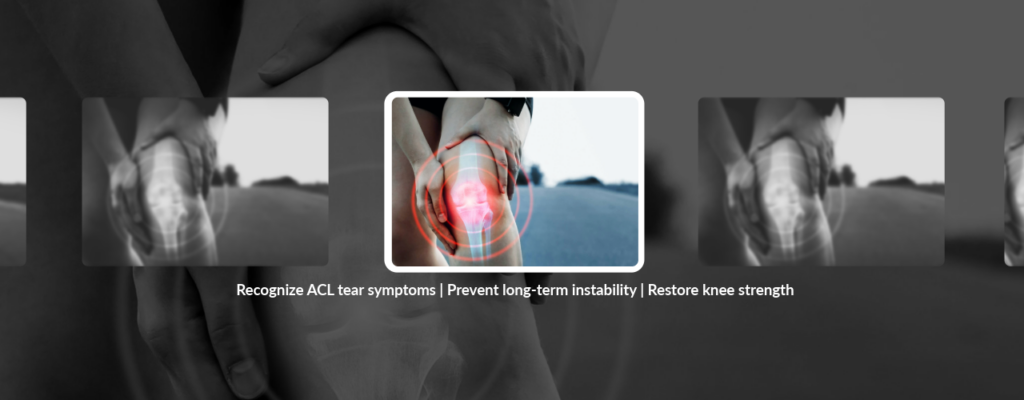
The anterior cruciate ligament, or ACL, stabilizes the knee by keeping the shinbone from moving too far forward. A tear can occur suddenly during sports, falls, or quick directional changes. When it happens, the knee becomes unstable, painful, and difficult to move. Recognizing the signs of torn ACL knee pain helps you take the right steps for diagnosis and recovery.
Understanding the Role of the ACL: Frequently Asked Questions
1. What Does Torn ACL Knee Pain Feel Like?
A torn ACL often causes a sharp, immediate pain in the center or back of the knee. Many people describe a popping sound at the moment of injury. Swelling develops quickly within the first few hours, and the joint feels unstable, especially when walking or turning. The pain may ease slightly after a few days but returns when you try to pivot, climb stairs, or put full weight on the leg.
2. Can You Still Walk with a Torn ACL?
Some people can walk short distances after an ACL tear, but the knee usually feels weak or wobbly. Without ligament stability, the knee may “give out” unexpectedly. Continuing to walk or play sports can worsen the injury and increase swelling. It is best to rest, apply ice, and schedule an evaluation with a physical therapist or orthopedic specialist as soon as possible.
3. How Is a Torn ACL Diagnosed?
A medical provider performs physical tests to check knee stability and range of motion. Imaging, such as an MRI, confirms the extent of the tear. Identifying whether the ligament is partially or completely torn helps determine the right treatment approach. Physical therapists also assess strength, flexibility, and movement patterns to design a plan that supports healing and protects surrounding tissues.
4. What Are the Most Common Causes?
A torn ACL often occurs from:
- Sudden stops or direction changes while running
- Jumping and landing awkwardly
- Direct impact to the knee during contact sports
- Slipping on uneven ground
These motions stretch the ligament beyond its limit, leading to small or complete tears.
5. What Should I Do Right After Injury?
If you suspect torn ACL knee pain, stop activity immediately. Apply ice for 15 to 20 minutes every hour during the first day to manage pain. Keep the leg elevated and avoid bearing weight until assessed by a healthcare professional. Early physical therapy can begin even before surgery to control swelling and maintain mobility.
6. How Does Physical Therapy Help Recovery?
Physical therapy restores motion, reduces pain, and strengthens muscles around the knee to improve stability. A therapist designs a program based on your specific injury and fitness level.
- Range-of-motion and stretching exercises
- Quadriceps and hamstring strengthening
- Balance and stability training
- Education on safe movement and gradual activity progression
This approach promotes healing, reduces stiffness, and prepares the knee for daily function or surgery if needed.
7. How Long Does It Take to Heal?
Recovery time depends on the severity of the tear and treatment method. Mild sprains may improve within six to eight weeks, while complete tears can take several months, especially after surgery. Consistent therapy is key to rebuilding strength and avoiding long-term instability.
Find Relief and Guidance at Anchor Physical Therapy
At Anchor Physical Therapy, our physical therapists specialize in diagnosing and treating torn ACL knee pain. We focus on restoring motion, strength, and confidence through safe, evidence-based care. Whether you are preparing for surgery or recovering afterward, our team will guide you each step of the way to help you return to work, sports, and daily activities without pain.