
What Is Patellofemoral Pain Syndrome and Why Does It Hurt
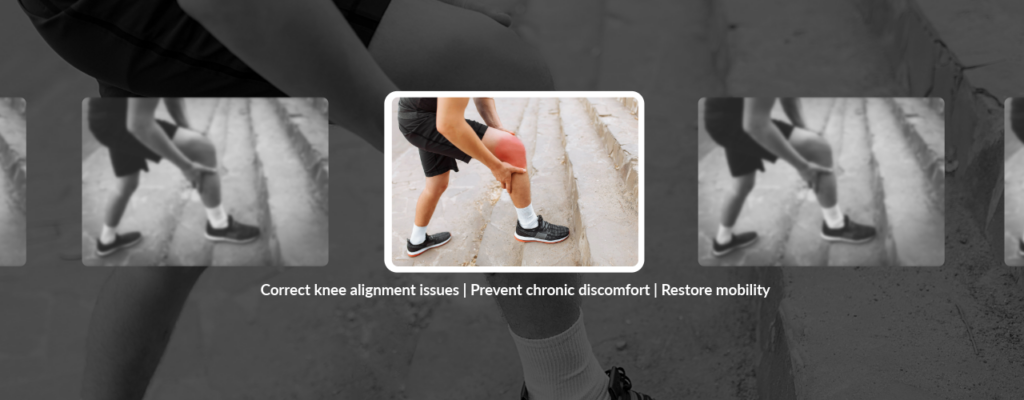
Pain around the front of the knee can make climbing stairs, squatting, or running feel uncomfortable. The condition known as patellofemoral pain syndrome occurs when the kneecap (patella) does not move smoothly along the groove at the end of the thigh bone. Friction and pressure irritate the tissues behind the kneecap, leading to pain that often worsens with activity. Many people assume it’s simply “knee soreness,” but understanding the truth about this condition helps prevent chronic discomfort.
Myths About Knee Pain: Understanding Patellofemoral Pain Syndrome
Myth 1: Patellofemoral Pain Syndrome Only Affects Runners
Fact: Although the condition is common among runners, anyone who frequently bends or loads their knees can develop it. Office workers who sit for long hours, manual laborers who kneel or climb, and adolescents going through growth spurts often experience similar symptoms. Repetitive motion, muscle weakness, and poor alignment can all contribute to the irritation that causes pain.
Myth 2: Pain Means You Should Stop Moving
Fact: Complete rest may temporarily reduce pain but does not correct the problem. Lack of movement can actually cause muscles to weaken and joints to stiffen. Guided exercises prescribed through physical therapy restore strength and control in the hips, thighs, and knees. These exercises help the patella track properly and reduce friction during movement. Controlled activity promotes healing better than extended inactivity.
Myth 3: The Pain Comes from Arthritis
Fact: Patellofemoral pain syndrome is different from arthritis. Arthritis involves joint degeneration, while PFPS results from irritation in soft tissues and alignment issues. Most patients with PFPS have normal cartilage and bone structure. The pain comes from how the kneecap moves, not from permanent damage. Early treatment helps prevent long-term wear that could develop if the issue goes untreated.
Myth 4: Knee Braces or Tape Alone Will Fix It
Fact: Braces and taping can provide short-term comfort by improving kneecap alignment, but they are not a complete solution. Without addressing muscle weakness or imbalanced movement patterns, pain usually returns. A physical therapist teaches corrective exercises that target the underlying cause and build lasting stability. Supportive devices work best when combined with guided rehabilitation.
Myth 5: Surgery Is the Only Way to Relieve Pain
Fact: Surgery is rarely needed for patellofemoral pain syndrome. Most patients recover fully with conservative care. Physical therapy utilizes strengthening, stretching, and manual techniques to alleviate tension, balance the muscles surrounding the knee, and restore normal movement. Correcting alignment through exercise improves comfort and helps prevent recurrence without the need for surgical intervention.
How Physical Therapy Helps
Physical therapy focuses on restoring pain-free movement through a personalized plan. Common treatment methods include:
- Manual therapy to reduce tightness and improve kneecap motion
- Strengthening of the quadriceps, hips, and gluteal muscles for better stability
- Flexibility training to release tension in surrounding tissues
- Education on proper movement techniques during work, exercise, and daily activities
When performed consistently, therapy decreases irritation, improves function, and helps patients return to normal activity without pain.
Find Relief at Anchor Physical Therapy
If knee pain interferes with walking, climbing stairs, or exercise, patellofemoral pain syndrome could be the cause. The therapists at Anchor Physical Therapy in Tacoma, WA, and Lakewood, WA specialize in identifying movement issues and designing customized plans to restore comfort and confidence. Contact Anchor Physical Therapy today to learn how guided therapy can relieve pain and help you move freely again.